
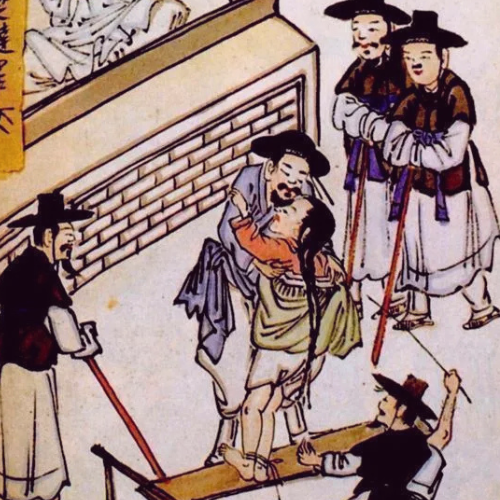
In ancient Korea, especially during the Joseon Dynasty, the justice system was known for being strict and severe. Laws were built on Confucian values, which focused on order, respect, and loyalty. To protect these values, the government used different kinds of harsh punishments. Some were meant to scare people, while others were used to control crime and protect the king’s power.
Here are the major punishments and how they were carried out:
Beheading – (참수)
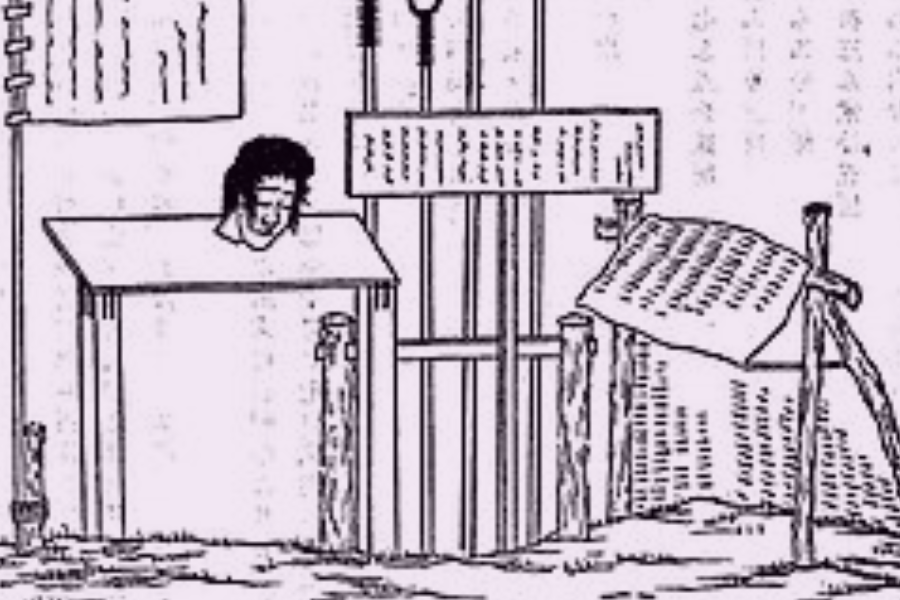
Beheading was one of the most common punishments for serious crimes such as treason, murder, and rebellion. It was quick but very public. The execution usually took place in an open area so people could watch and learn what would happen if they broke the law. This was meant to discourage rebellion and keep the kingdom stable.
Hanging – (교수형)
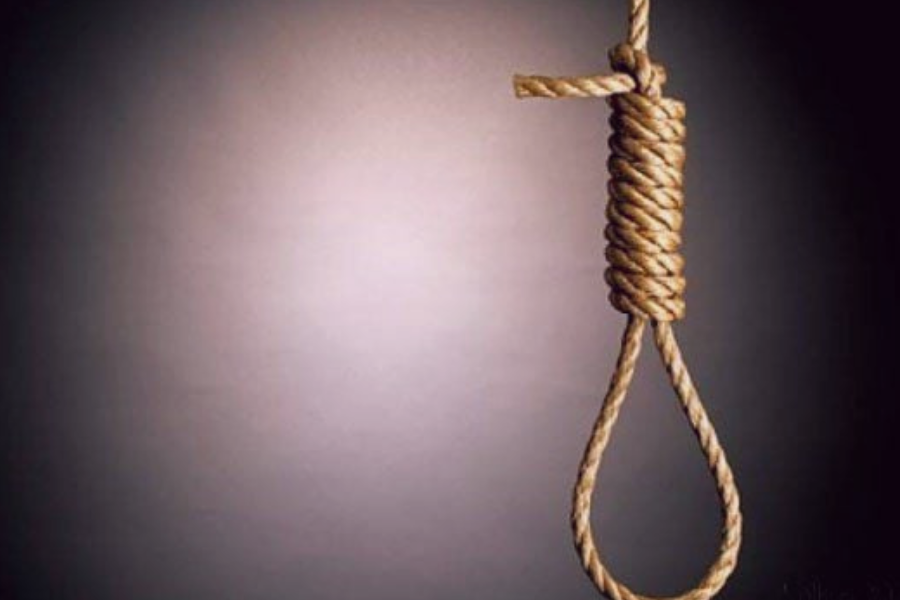
Hanging was used for crimes that were serious but did not directly threaten the king. Criminals who committed repeated theft, violent acts, or large-scale fraud could receive this punishment. It was also done publicly, usually outside city gates, to warn others of what would be their fate if they committed the offense.
Exile – (유배)
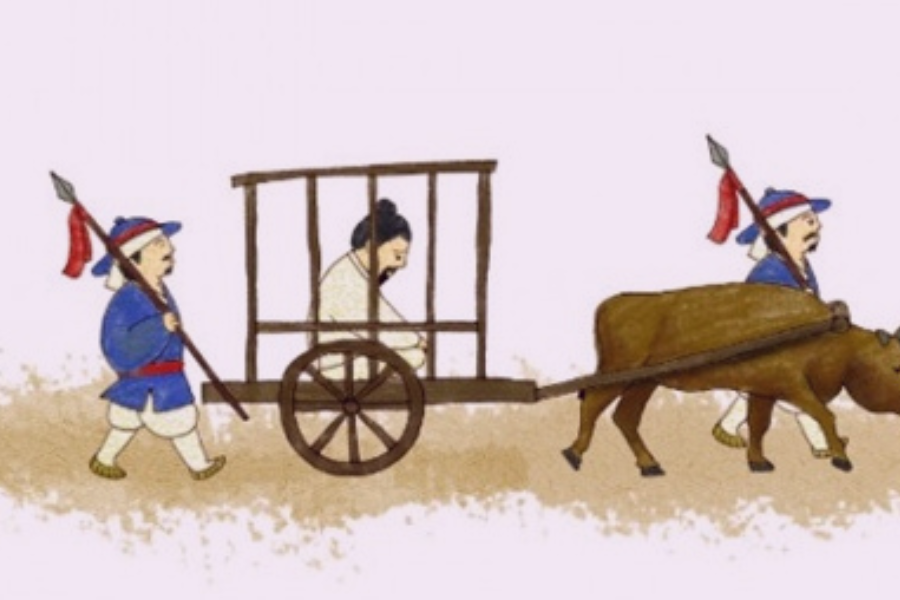
Exile was one of the most painful punishments emotionally. Instead of killing the person, the government sent them far away to remote islands or mountains. Many scholars and officials were punished this way if they wrote something the king disliked or supported the wrong political group. Life in exile was lonely and difficult, and some people never returned home, as they were forgotten there.
Flogging/Beating – (태형)
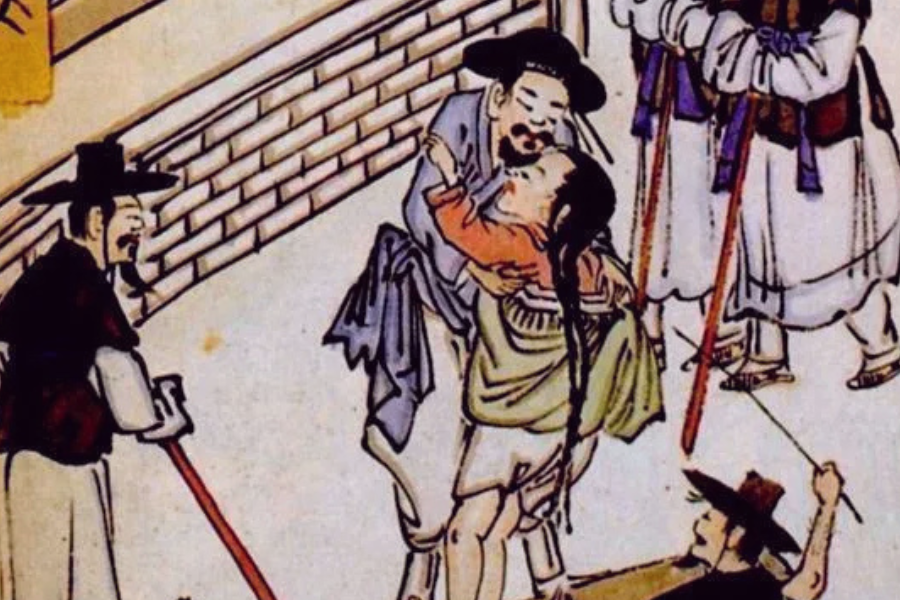
This was the most common everyday punishment. The criminal was beaten with a stick on the legs or buttocks. It could be light or extremely severe, depending on the number of strikes. Crimes like small theft, disrespect toward elders, or breaking village rules often led to flogging. It was painful, cheap, and quick, very perfect for a busy government.
Hard Labor – (노역형)
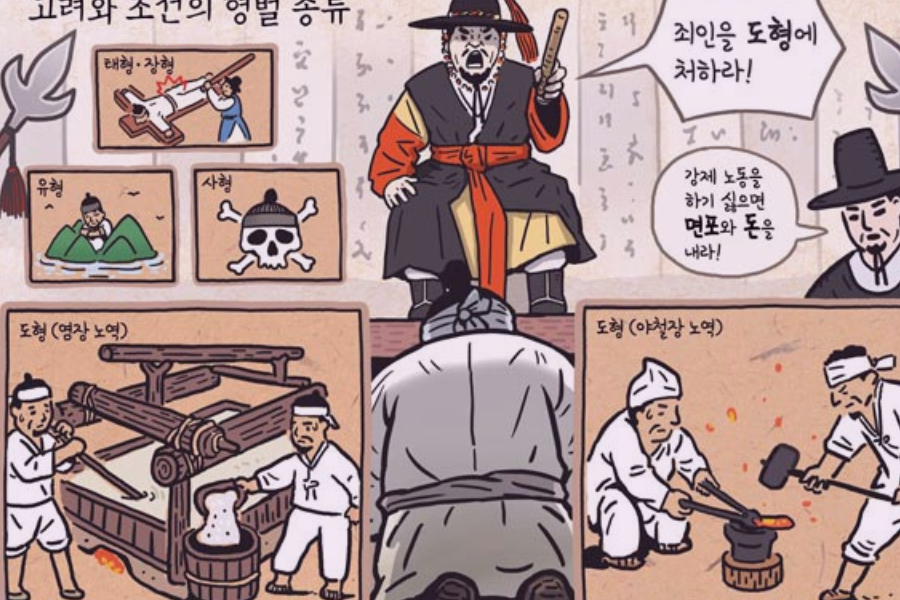
Some criminals were forced to work in mines, build city walls, or repair roads. Crimes like tax evasion or destroying public property could lead to this. Hard labor was exhausting and dangerous, and many people did not survive long. It was one of the punishments that people dreaded the most back then.
Branding – (자자)
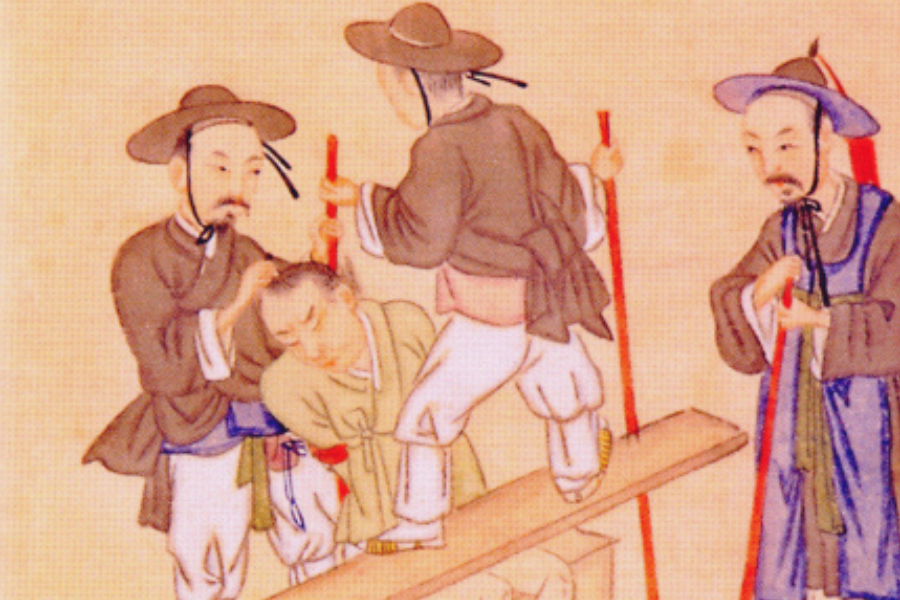
This was used mostly for repeat offenders. The criminal’s face or arm was marked with a symbol that identified their crime. It was painful and humiliating, and it followed the person for life. It also deprives them of some benefits in society, leaving them isolated.
Modern Koreans see these ancient punishments as extremely harsh. Today’s justice system focuses on fairness, human rights, and rehabilitation. Looking back at these punishments helps people understand how far Korea has come and how different life was centuries ago.
Now, the law exists to carry out appropriate punishment while giving individuals the grace of repentance and rehabilitation so they can fulfill their obligations as good citizens in the near future.
Like Loading...

Author
Damilola Jimmy
The ink drips smartly over here. Let me take you through the world of my imagination while riding on the letters😎 It's all fun in this corner.
Previous Post



Leave a comment